Source Grinding Mill for Mining, Construction, and Chemical Engineering
Find 30 verified Grinding Mill units suitable for mining, construction, and chemical engineering applications. Buyers can compare specifications like voltage, motor brand, and final powder size to select the right equipment for ore, rock, or stone processing.
Key considerations
Products List

$20000.00 - $30000.00
MOQ: 1 Pieces


Precision Grinding Mill for Fine Material in Industries State-of--Art Grinding Mill
$50000.00 - $69999.00
MOQ: 1 Sets


$5000.00 - $98000.00
MOQ: 1 Pieces


$50000.00 - $180000.00
MOQ: 1 Pieces


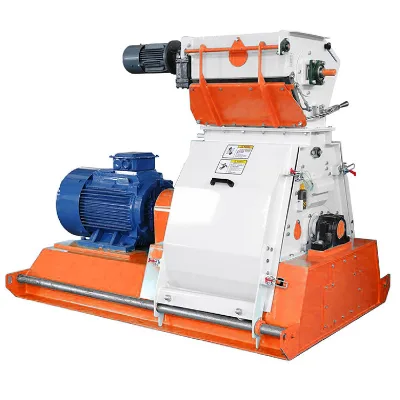


$1500.00 - $150000.00
MOQ: 1 Sets


$99999.00
MOQ: 1 Pieces


Comprehensive Sourcing Guide
Grinding Mill Sourcing Guide
The global market for grinding mills presents a diverse array of industrial solutions, ranging from compact pulverizers for plastic processing to heavy-duty vertical mills designed for mineral ore reduction. Buyers entering this sector must navigate a landscape where equipment is often customized to specific feed materials, whether PVC, rock, stone, or other mining objects. The observed product listings indicate a strong presence of computerized and automatic systems, suggesting that modern procurement strategies should prioritize machinery capable of integrating with existing automated production lines to maximize throughput and consistency.
Sourcing decisions for these machines are heavily influenced by the specific operational environment, with applications spanning mining, construction, and chemical engineering sectors. The available data highlights distinct configurations, such as tangential feed structures and vibrating feeder systems, which are critical for handling different material densities and particle sizes. Procurement teams must therefore align their technical requirements with the machine's structural design, ensuring that the selected unit, whether a piece knife crusher or a grinding disc pulverizer, matches the intended final powder size and processing volume.
Product Scope and Observed Listing Signals
Buyers should first distinguish between the specific functional categories available, as the market offers both general-purpose grinders and specialized units like the SMP series or 3R, 4R, 5R, and 6R models. The observed listings reveal a clear segmentation between machines designed for plastic pulverization, utilizing vibrating feeders and solid knife rollers, and those intended for mineral powder making, which often feature vertical mill styles and robust construction for ore and rock. Understanding this distinction is vital, as the raw material compatibility, such as PVC versus stone, dictates the necessary internal components and wear resistance.
Listing signals also provide insight into the customization capabilities and structural variations available to the buyer. Many suppliers offer customization options for color, voltage, and specific model configurations, allowing for tailored solutions that fit unique facility constraints. The presence of specific attributes like the Zds-600 model vibration sieve or SKD11 material grinding discs indicates that high-performance components are standard in many listings, but buyers must verify that these specific parts are included in the quote for their specific application rather than assuming they are universal across all listed units.
Technical Specifications to Verify
When evaluating the core mechanical performance, the verification of the grinding style and feed mechanism is paramount for ensuring operational efficiency. The market features both vertical mill styles and tangential feed structures, each offering distinct advantages for different material types. Buyers must confirm that the selected machine's feeder system, such as the vibrating feeder observed in many listings, is compatible with the physical properties of their raw material to prevent clogging or inefficient feeding, which can significantly impact the final powder size consistency.
Electrical and control system specifications require rigorous scrutiny to ensure compatibility with local infrastructure and process control needs. The observed voltage options, typically 380V 50Hz 3-phase, may require adaptation for regions with different power standards, and the motor brand, such as Simo, should be verified for local service availability. Furthermore, the temperature controller brand, like Omron, and the cooling method, whether water or fan cooling, are critical for maintaining the machine's rotational speed and preventing overheating during continuous industrial operation, directly affecting the longevity of the AC motor and the stability of the grinding process.
Compliance and Safety Documentation
Regulatory compliance is a non-negotiable aspect of sourcing industrial grinding mills, with CE and ISO9001 certifications appearing frequently in the product data. Buyers must request and validate these certificates to ensure the machinery meets international safety and quality management standards, particularly when importing equipment from regions like Zhangjiagang, Jiangsu, or other parts of mainland China. The presence of these certifications suggests a baseline level of adherence to safety protocols, but procurement teams should verify that the specific unit being purchased carries the valid documentation for the model and configuration ordered.
Beyond general certifications, specific safety and operational documentation must be reviewed to ensure the machine can be safely installed and maintained in the buyer's facility. The listed warranty period of one year and the provision of after-sale services, including training and technical support, are essential components of the safety and operational framework. Buyers should confirm that the installation process, which is often conducted under the guidance of an engineer, includes comprehensive safety manuals and that the supplier provides clear instructions for the maintenance of critical components like the NSK bearings and the SKD11 grinding discs.
Cost Drivers and Commercial Terms
The pricing structure for grinding mills is influenced by a complex mix of factors, including the model series, material specifications, and the level of customization required. The observed price range is vast, extending from low-cost units to high-value industrial systems, reflecting the difference between basic pulverizers and advanced computerized vertical mills. Buyers must analyze the cost drivers carefully, noting that the inclusion of specific brands for motors, bearings, and temperature controllers can significantly impact the final price, as these components are often the primary determinants of machine reliability and performance.
Commercial terms regarding delivery and payment are equally critical for managing cash flow and project timelines. The observed lead time of seven days after the down payment suggests a relatively quick turnaround for standard configurations, but this may vary based on the complexity of the order and the specific model requested. Procurement teams should clarify the packing standards, such as the sea-worthy or international packing standard mentioned in the listings, to ensure that the equipment arrives without damage, and verify the exact delivery details to align with their production schedule and installation timeline.
Supplier Qualification and Quality Control
Supplier qualification extends beyond the basic listing of certifications to include an assessment of their manufacturing capabilities and after-sales support infrastructure. The fact that suppliers offer installation guidance and training indicates a commitment to ensuring the machine operates correctly upon arrival, but buyers should verify the depth of this support, including the availability of spare parts and the responsiveness of technical teams. The presence of a specific brand mark, such as Tym, and the offer of customer visits suggest a level of transparency, yet due diligence should confirm the supplier's track record in delivering similar equipment to the buyer's specific industry sector.
Quality control measures must be integrated into the procurement process to mitigate the risks associated with industrial machinery. Buyers should request detailed inspection reports for critical components, such as the stainless steel vibration sieve and pipes, and verify the material grades used in the construction of the grinding discs. The observation of specific model numbers and standard series, like the SMP or TYM series, provides a basis for comparison, but the buyer must ensure that the quality control protocols of the supplier align with their own internal standards to guarantee that the final product meets the required performance specifications for their mining or processing applications.
Long-Term Procurement Checks
Sustainable procurement requires a focus on the long-term operational costs and the availability of replacement parts for the Grinding Mill. The selection of durable materials, such as SKD11 for grinding discs and stainless steel for pipes, is a strong indicator of potential longevity, but buyers must establish a clear supply chain for these components to avoid production downtime. Verifying the warranty terms and the specific conditions under which they apply is essential, as is understanding the maintenance schedule required to keep the machine operating at its optimal rotational speed and powder size output.
Future-proofing the investment involves assessing the scalability and adaptability of the chosen Grinding Mill technology. As production needs evolve, the ability to customize the machine for different applications, such as shifting from plastic pulverization to mineral processing, becomes a valuable asset. Buyers should evaluate the supplier's capacity to provide upgrades or modifications to the existing equipment, ensuring that the initial investment remains relevant as the facility's requirements change over time, thereby maximizing the return on investment for the industrial grinding solution.
FAQs
What is the final powder size for this Grinding Mill?
The final powder size ranges from 12 to 120 microns. This capability is achieved using SKD11 grinding discs and a vibrating feeder system. The machine ensures consistent particle size distribution for various industrial applications.
Can the Grinding Mill be customized for specific needs?
Yes, customization is available for this equipment. Buyers can request specific colors such as white, blue, or red. The voltage can also be adjusted to 380V 50Hz 3 Phase or other requirements upon request.
What certifications does this pulverizer mill hold?
The machine holds CE and ISO9001 certifications. These standards ensure compliance with international safety and quality management systems. The equipment is designed for reliable operation in mining, construction, and chemical engineering sectors.
How long is the delivery time for this model?
Delivery typically takes 7 days after the down payment. The machine is packed in a sea-worthy international standard package. This quick turnaround supports efficient project scheduling for industrial buyers requiring immediate deployment.
What is the warranty period for the grinding machine?
The warranty period is one year. After-sale services include training and technical support. Installation is provided under the guidance of an engineer to ensure proper setup and operational efficiency for the new owner.
Which motor brand is used in this vertical mill?
The motor brand is Simo. The system also features NSK bearings and Omron temperature controllers. These components ensure stable rotation speeds and reliable performance during continuous industrial grinding operations for ore and rock materials.